Biodiversity & Environmental Co-benefits
Carbon is just one of many values that forests provide. Understanding the wider benefits helps you maximise the value of your land and may open additional revenue streams.
The Co-benefits Concept
“Co-benefits” are positive outcomes alongside the primary purpose. For carbon forestry, these include:
- Biodiversity habitat
- Water quality improvement
- Erosion control
- Flood mitigation
- Climate resilience
- Cultural values
- Recreation opportunities
- Aesthetic improvement
While carbon credits directly monetise carbon storage, these other values are increasingly recognised and sometimes compensated.
Biodiversity Benefits
Habitat Creation
Forests provide homes for:
- Native birds
- Lizards and invertebrates
- Native fish (in forested streams)
- Fungi and micro-organisms
Exotic vs Native Forests
| Factor | Exotic Plantation | Native Forest |
|---|---|---|
| Bird habitat | Limited | High |
| Invertebrate diversity | Low-moderate | High |
| Understorey diversity | Low | High |
| Long-term stability | Cyclical (harvest) | Permanent |
| Connectivity | Limited | Can restore corridors |
Native forests provide significantly greater biodiversity benefits, but even pine plantations are better than bare pasture for many species.
Enhancing Biodiversity
Ways to increase biodiversity in carbon forests:
In exotic plantations:
- Maintain riparian strips in natives
- Create native understory
- Leave unharvested areas
- Protect remnant vegetation
- Control pests
In native forests:
- Sustain pest control
- Plant diverse species
- Create age diversity
- Connect to existing bush
- Manage edge effects
Water Quality Benefits
Nutrient Management
Forests reduce nutrient runoff:
- Trees absorb nitrogen and phosphorus
- Root systems filter water
- Reduced sediment movement
- Lower inputs than farming
Sediment Control
Particularly valuable on erosion-prone land:
- Root systems stabilise slopes
- Canopy reduces rain impact
- Ground cover traps sediment
- Reduced stream sedimentation
Riparian Values
Stream-side forests provide:
- Bank stabilisation
- Shade for aquatic life
- Leaf litter for stream ecosystems
- Habitat connectivity
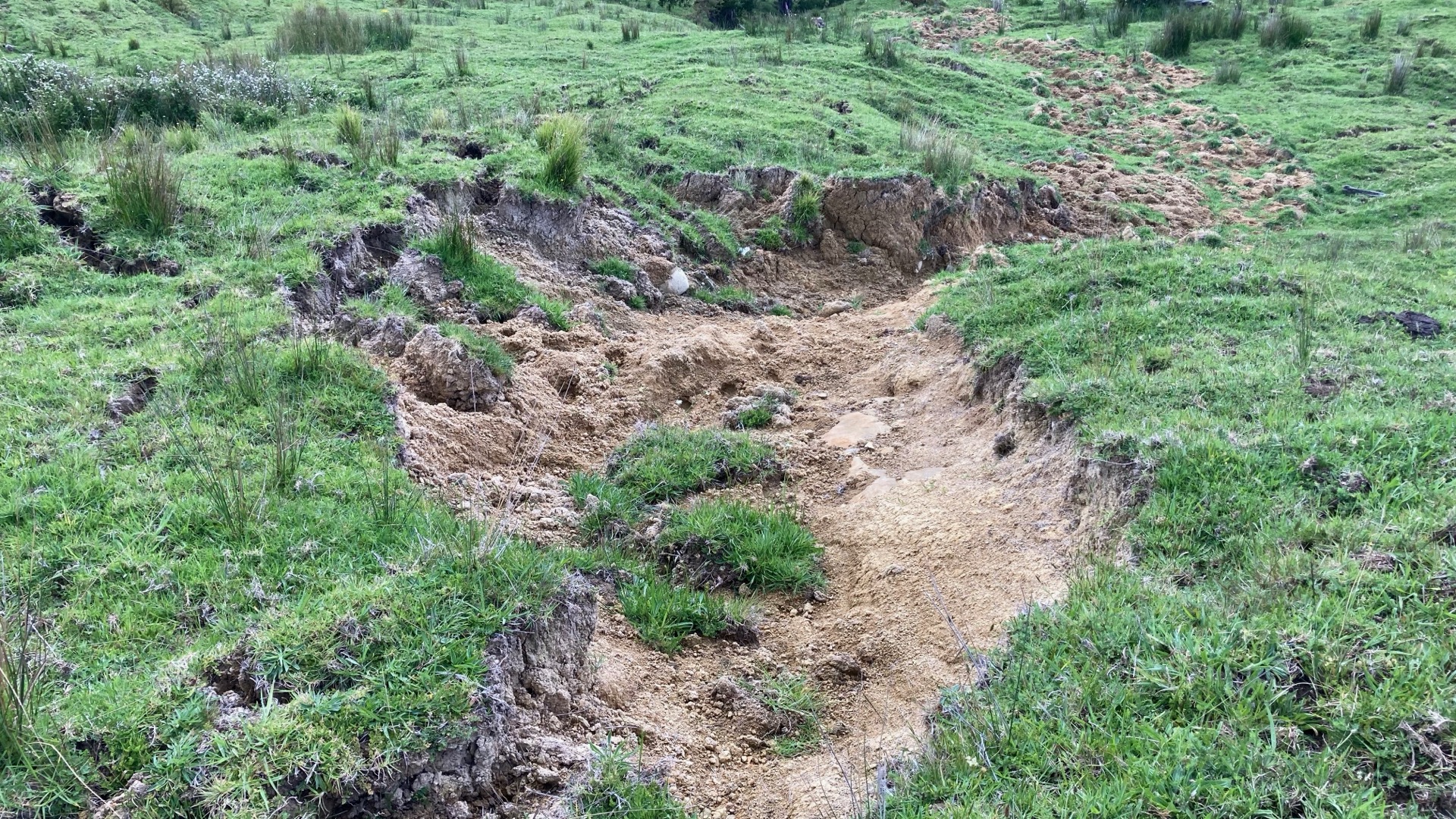
Erosion Control
Physical Protection
Trees reduce erosion through:
- Root binding of soil
- Canopy interception of rainfall
- Ground cover reducing runoff velocity
- Improved soil structure
Economic Value
On steep, erodible land, erosion control value can be significant:
- Avoided land loss
- Reduced infrastructure damage
- Improved productivity on remaining land
- Reduced downstream impacts
Recognition
Some erosion-prone land specifically targeted for forestry conversion. Regional councils may support planting for erosion control.
Climate Resilience
Microclimate Benefits
Forests moderate local climate:
- Shade and cooling
- Humidity regulation
- Wind reduction
- Temperature buffering
Farm-Scale Benefits
Strategic forest placement can:
- Provide shelter for stock
- Protect crops from wind
- Create microclimates for other enterprises
- Reduce heat stress
Landscape Resilience
Diverse, forested landscapes are more resilient to:
- Extreme weather events
- Drought
- Fire (paradoxically — diverse forests less flammable)
- Climate variability
Cultural Values
Māori Values
Native forests particularly hold cultural significance:
- Whakapapa connections
- Mahinga kai (food resources)
- Rongoā (medicinal plants)
- Spiritual values
- Kaitiakitanga (guardianship)
Engagement with tangata whenua may be important for projects on or near significant sites.
Heritage Landscapes
Restoring indigenous vegetation can:
- Return land to historical state
- Reconnect with place identity
- Create legacy for future generations
Monetising Co-benefits
Biodiversity Credits
Emerging market for certified biodiversity outcomes:
- Voluntary standards developing
- Corporate buyers interested
- Premium for verified outcomes
- Early stage but growing
Ecosystem Services Payments
Some schemes pay for:
- Water quality outcomes
- Erosion control
- Flood mitigation
- Nutrient management
Often through regional council or catchment programmes.
Premium Carbon Credits
Voluntary carbon markets sometimes pay premiums for:
- Native forest carbon
- Verified biodiversity outcomes
- Community benefits
- High-quality projects
Honey and Other Products
Native forests can generate additional income:
- Mānuka honey: $500-2,000+/ha/year (variable)
- Native plant harvest (under sustainable regimes)
- Seed collection
- Tourism/recreation
Measuring and Verifying
Biodiversity Monitoring
To claim biodiversity benefits, you may need:
- Baseline surveys
- Ongoing monitoring
- Species counts
- Photo points
- Third-party verification
Certification Standards
Various standards are developing:
- International biodiversity standards
- NZ-specific schemes
- Corporate buyer requirements
Standards are evolving rapidly.
Integrating Co-benefits into Planning
At Project Design
Consider co-benefits when planning:
- Site-specific opportunities
- Species selection for multiple outcomes
- Landscape-scale connectivity
- Stakeholder interests
Maximising Value
Strategies to capture value:
- Native species where economics allow
- Riparian and margin plantings in natives
- Connectivity to existing bush
- Pest control investment
- Monitoring and documentation
Trade-offs
Sometimes tension exists between:
- Carbon maximisation (exotics) and biodiversity (natives)
- Commercial outcomes and environmental outcomes
- Short-term returns and long-term values
Thoughtful planning balances these considerations.
Key Takeaways
- Forests provide multiple values beyond carbon
- Native forests excel for biodiversity but exotics help too
- Water quality and erosion control are significant benefits
- Markets for co-benefits are emerging — position for future opportunity
- Design for multiple outcomes from the start
- Document and verify if you want to claim benefits