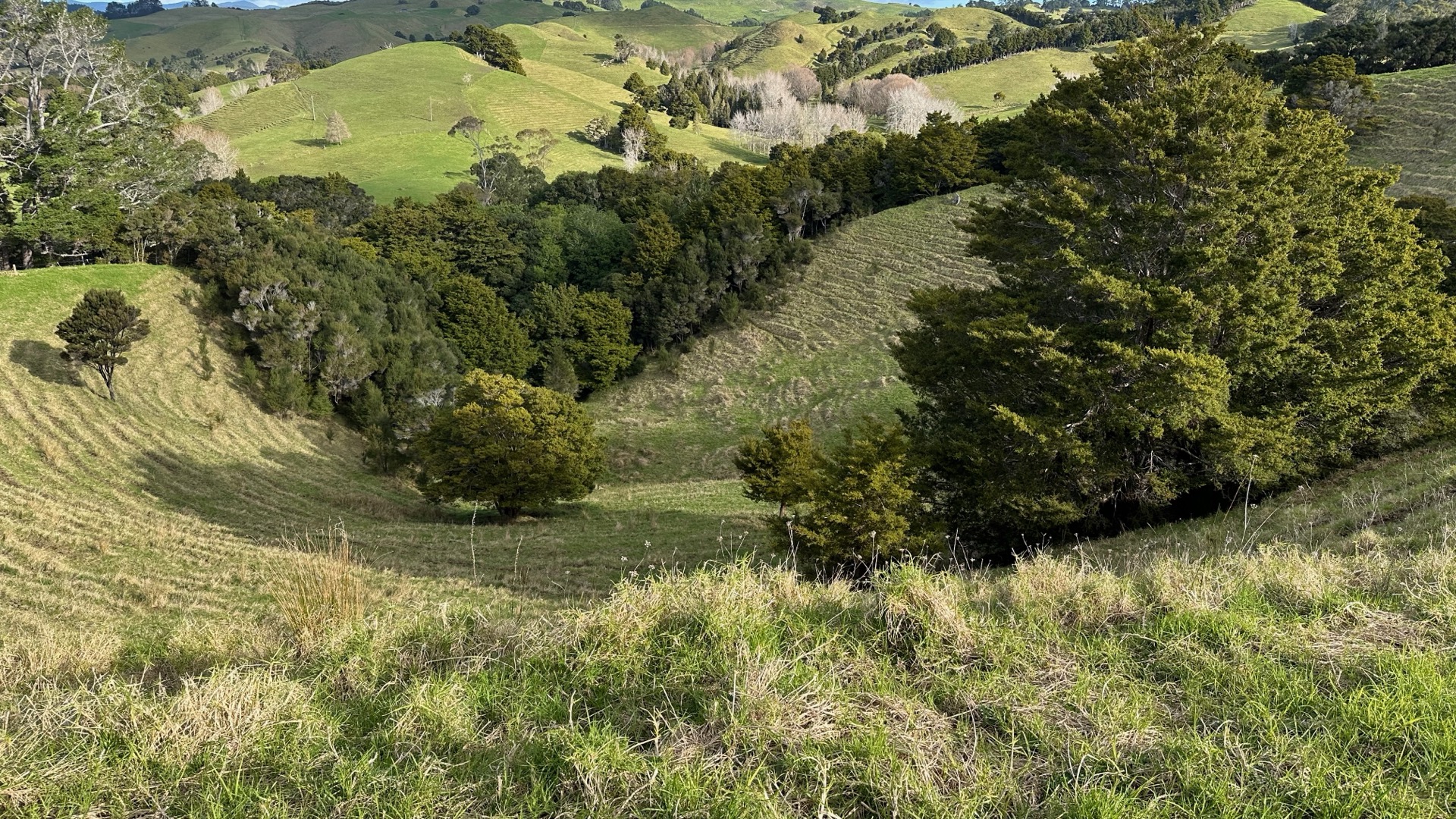
Eligibility: Post-1989 Forest Land
Not all forest land can be registered in the ETS. Understanding the eligibility rules is the essential first step in your carbon farming journey.
The Fundamental Rule
To be eligible as post-1989 forest land, your forest must be established on land that was not forest on 31 December 1989.
This single date is the dividing line in New Zealand’s carbon forestry system. It reflects international climate agreements that distinguish between existing carbon stocks (forests already there) and new sequestration (forests planted after 1989).
What Counts as “Forest”?
The ETS has specific definitions. Land is considered forest if it has:
- Minimum area: At least 1 hectare of continuous forest
- Minimum width: At least 30 metres average width
- Tree height potential: Species capable of reaching 5 metres at maturity
- Crown cover: More than 30% canopy cover (or potential to reach it)
This means:
- ✅ A 2-hectare block of regenerating natives qualifies
- ✅ A 5-hectare pine plantation qualifies
- ❌ A narrow shelterbelt doesn’t qualify
- ❌ An orchard doesn’t qualify (usually managed below 5m)
- ❌ Scattered trees on pasture don’t qualify
Establishing Eligibility
To prove your land is eligible, you’ll need evidence that it wasn’t forest in 1989. This might include:
Historical evidence:
- Aerial photographs from around 1989
- Land Information New Zealand (LINZ) imagery
- Farm records and maps
- Historical surveys
Current evidence:
- Modern aerial imagery showing the forest
- GPS mapping of forest boundaries
- Documentation of when trees were planted
MPI provides access to historical imagery to help establish eligibility. In most cases, the agency can determine status from their records.
Types of Eligible Forest
Post-1989 forests can be:
Planted Forests
- Exotic species (radiata pine, Douglas fir, eucalyptus)
- Native species (planted natives)
- Mixed plantings
Naturally Regenerating Forest
- Native bush regenerating on former pasture
- Kanuka/manuka succession
- Natural reversion after farming ceases
Transitional Forest
- Gorse/broom giving way to native species
- Wilding pines (though these have other restrictions)
- Natural succession from shrubland to forest
The forest doesn’t need to be “finished” — you can register land where forest is establishing.
Land Use Capability (LUC) Restrictions
From 2023, the government introduced restrictions on exotic forestry to protect productive farmland.
The LUC System
Land is classified into eight categories based on its productive potential:
| LUC Class | Description | Forestry Restriction |
|---|---|---|
| 1-4 | High-quality farmland | Strong restrictions on exotic forestry |
| 5 | Moderate limitations | Restrictions on exotic forestry |
| 6 | Significant limitations | Restrictions, with ballot for permits |
| 7-8 | Severe limitations | No restrictions |
What the Restrictions Mean
For exotic forests (pines, eucalyptus, etc.):
- Can only register 25% of LUC 1-6 land per farm in the ETS
- Additional access through a permit ballot system
- Forests on LUC 7-8 land are unrestricted
For native forests:
- No restrictions on any LUC class
- Native regeneration is encouraged everywhere
Exemptions and Transitional Rules
Some situations are exempt from LUC restrictions:
- Forest already planted before 31 October 2022
- Land that was already forest on that date
- Unfarmed land (not currently part of a farming operation)
- Certain existing commitments and contracts
Pre-1990 vs Post-1989
Understanding the distinction is crucial:
| Aspect | Pre-1990 Forest | Post-1989 Forest |
|---|---|---|
| Definition | Was forest on 31/12/1989 | Established after 31/12/1989 |
| ETS participation | Generally not eligible | Voluntary registration |
| Deforestation | Triggers liabilities | Triggers liabilities if registered |
| Credits earned | None (already counted) | Yes, as forest grows |
| Common types | Established plantations, native bush | New plantings, regeneration |
The Registration Process
Once you’ve confirmed eligibility:
- Open an NZETR account with the EPA
- Prepare documentation:
- Property details (title references)
- Evidence of post-1989 status
- Digital maps (shapefile format)
- Choose your pathway:
- Standard forestry (averaging)
- Permanent forest category
- Submit application to MPI
- MPI assesses and approves (or requests more information)
- Registration confirmed — you can start earning units
The process typically takes several weeks to a few months depending on complexity.
Common Eligibility Questions
”My forest was planted in 1985 — can I register?”
No. If the land was forest in 1989, it’s pre-1990 forest regardless of when you bought it.
”I have regenerating scrub — does that count?”
Possibly. If it wasn’t forest in 1989 and now meets the forest definition (or is establishing toward it), it may be eligible.
”Can I register just part of my property?”
Yes. You register specific Carbon Accounting Areas (CAAs), not necessarily your entire property. Only the registered areas participate in the ETS.
”What about land I’m about to plant?”
You can register land before planting, but you won’t earn credits until the forest is establishing and absorbing carbon.
”I bought land that’s already registered — what happens?”
ETS registration transfers with the land. You inherit the previous owner’s credits and obligations unless specifically transferred differently.
Getting an Eligibility Check
Before investing in a carbon forestry project, get a proper eligibility assessment. This should include:
- Historical imagery analysis
- LUC classification check
- Forest definition assessment
- Boundary mapping
- Identification of any restrictions
We offer free initial eligibility assessments for prospective clients.
Key Takeaways
- The 1989 date is definitive — forest status on 31/12/1989 determines everything
- Specific forest definition — must meet size, width, height, and cover thresholds
- LUC restrictions apply to exotics — but not natives
- Registration is voluntary — you choose whether to participate
- Get proper assessment — before committing to a project